female prayers
- the sacred & the secular
A performative audiovisual art installation, based on the belief that one day we will hear female voices calling for prayer in public spaces around the world.
The work is based on a personal story about growing up in Denmark, as a child of Turkish immigrants. Challenging patriarchal, societal, racial and cultural structures, systems and identities.
About the art work
female prayers - the sacred & the secular is a performative film and sound art installation that dissolves the boundaries between audience and staging.
The piece is based on the hope that one day we will hear female voices calling for prayer in public spaces around the world. The installation is composed of film and sound recordings from different countries, where Friday prayers are led by female imams. These sound and location recordings are composed of musical soundscapes, supported by documentary footage and a personal story told by artist Nevin Tuna Erönde.
The story is told through seven letters to her late grandmother, in which Erönde examines ritual practice by drawing parallels between her grandmother’s Muslim prayer and her own yoga practice. A story about growing up in Denmark by Turkish immigrant parents and about finding oneself between a grandmother who was a practicing Muslim and a secular mother. A story about differences between women and cultures – and a story about living in the Nordic countries at the intersections of gender, ethnicity and culture.
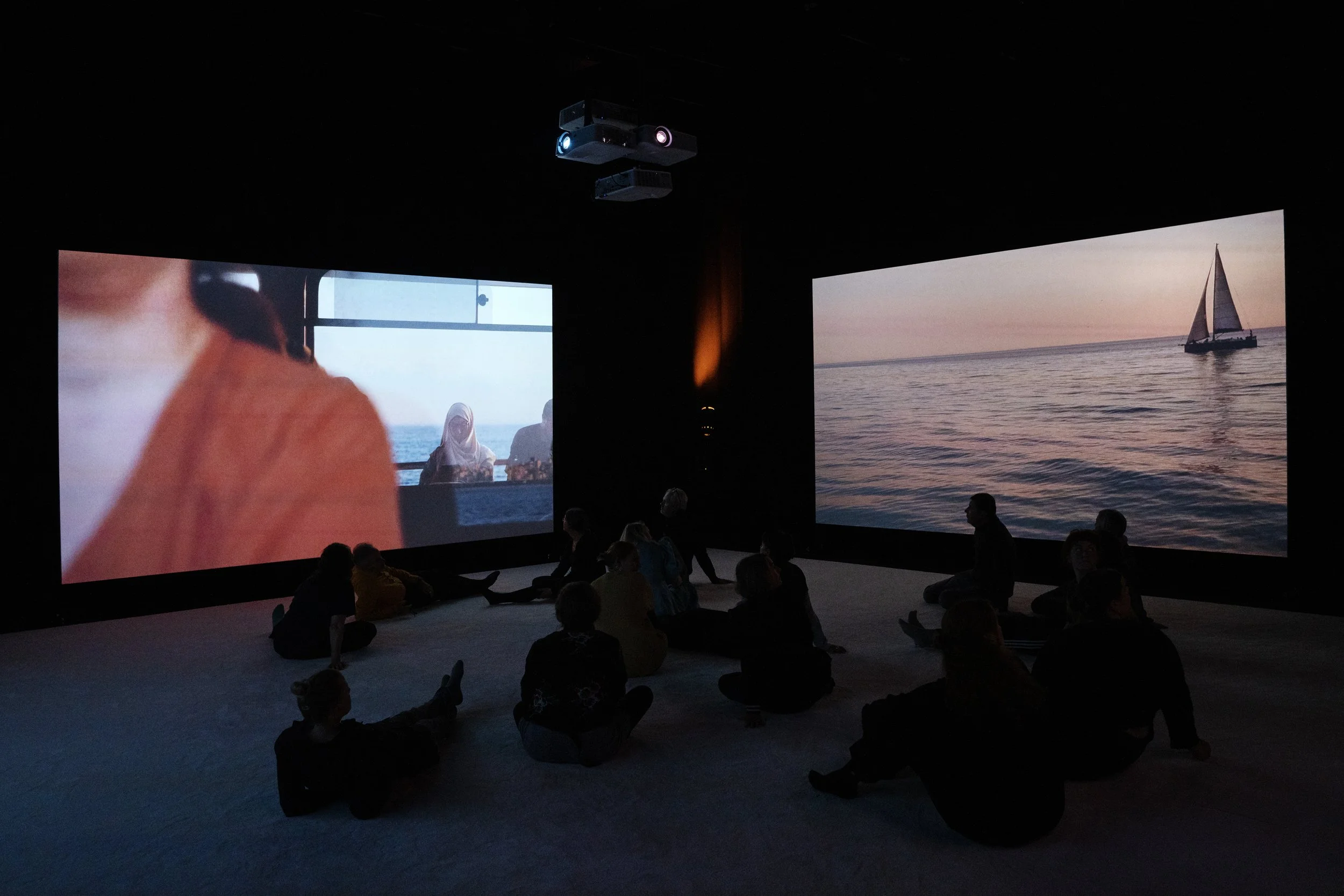
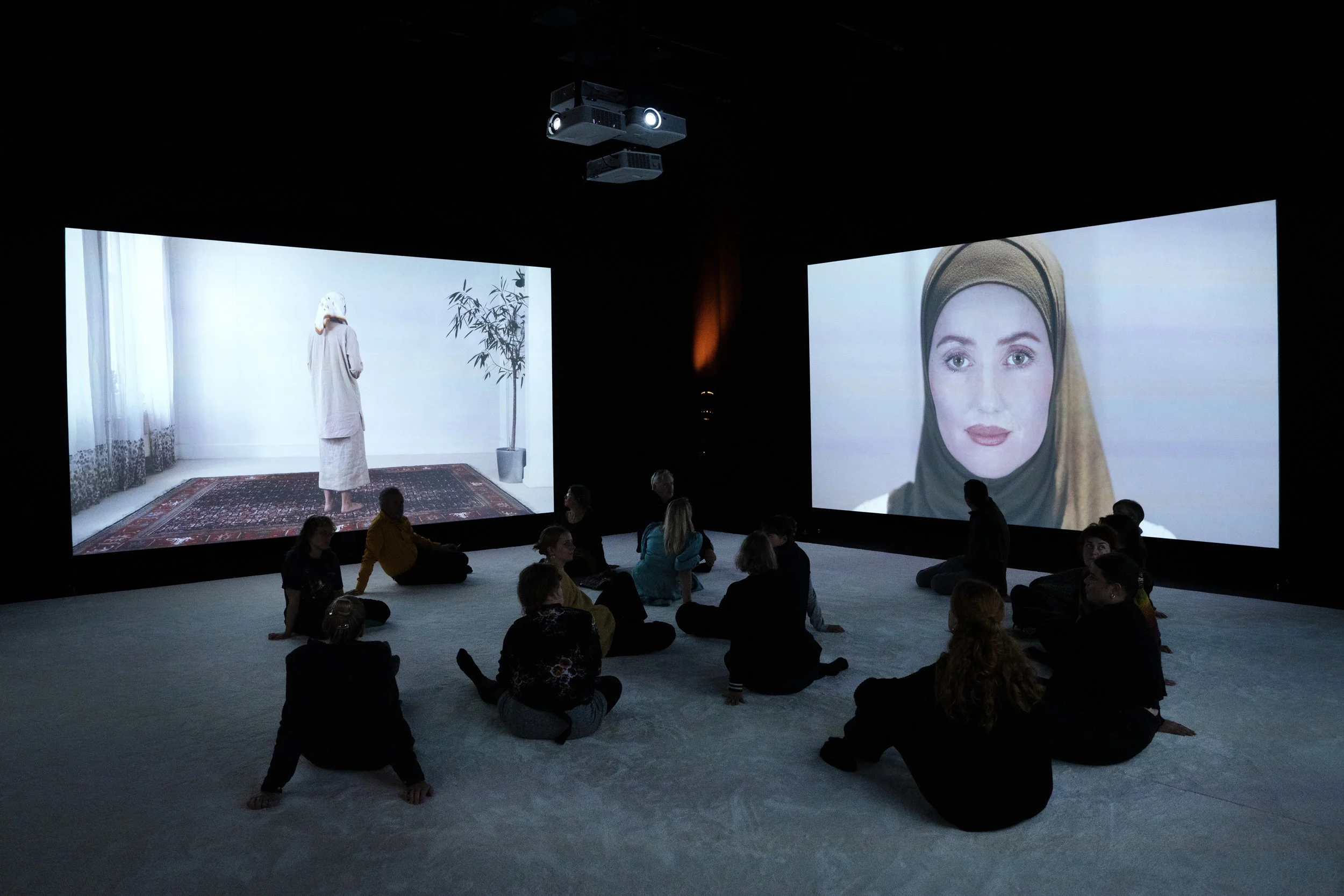
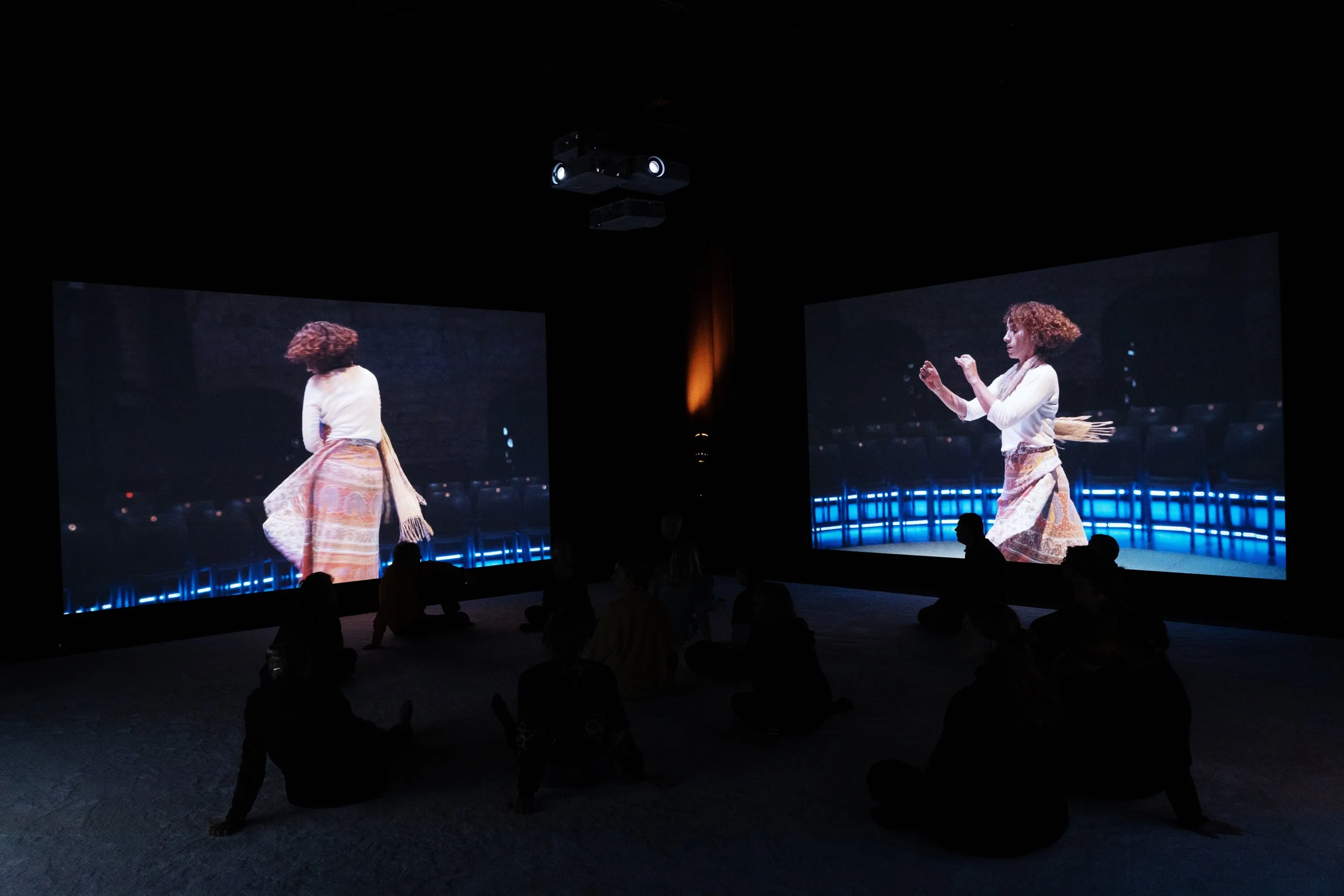
The audience is part of the installation as a congregation in a ritual room (surrounded by four video projection screens) participating in Friday prayers led by female imams. This is experienced through changing soundscapes and film footage, participation in a purification ritual and a guided prayer.
You can read more the personal story and reflections on this art work here.
“We spent 2 hours discussing your art piece afterwards.”
— Feedback from audience on the premiere in Malmö.
Short video clips from the installation experience from the premiere at Inkonst in Malmö, October 2022.
“You have really exceeded the boundaries of performance and audience. We are still thinking of your art work.”
— Artistic Director, Inkonst
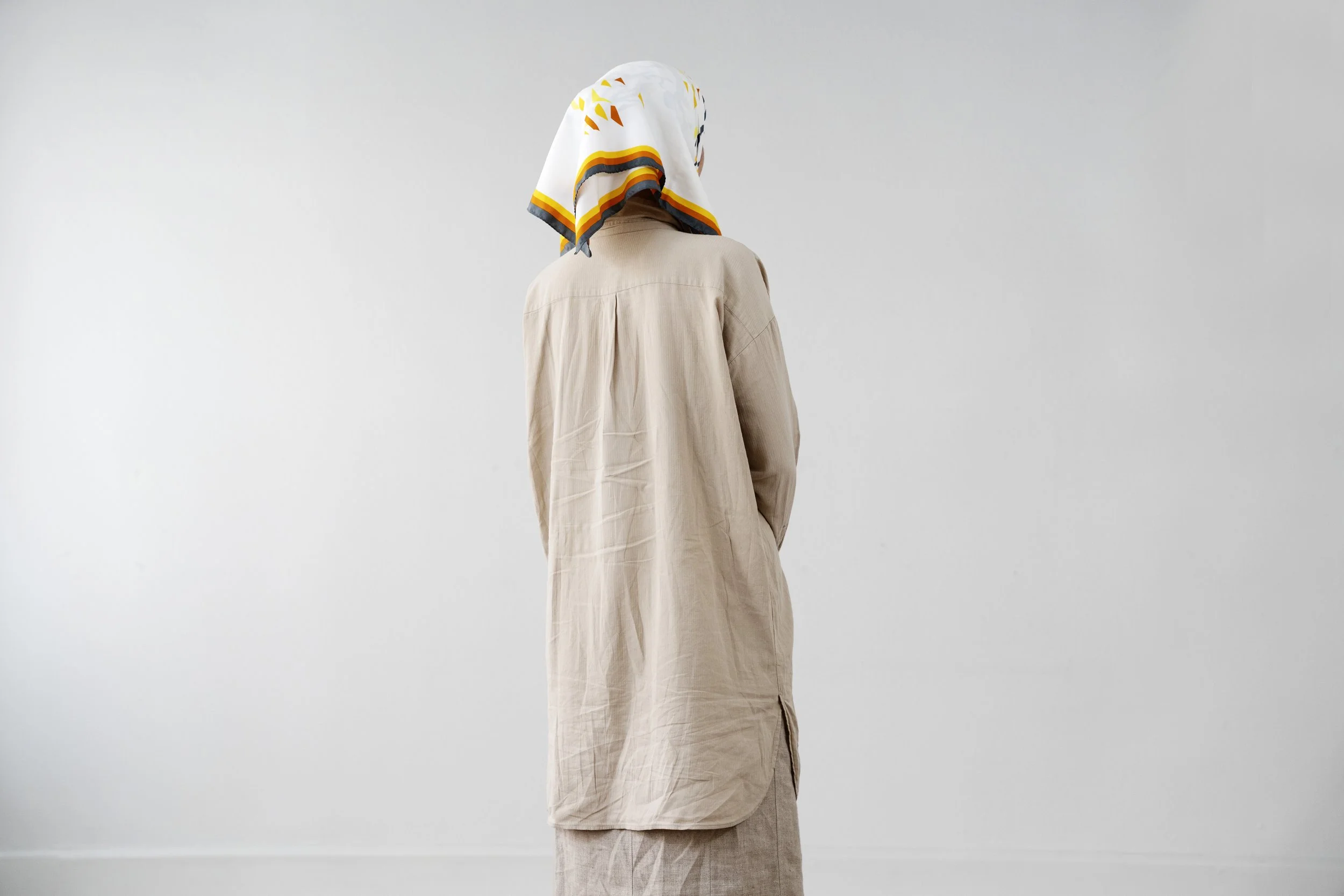
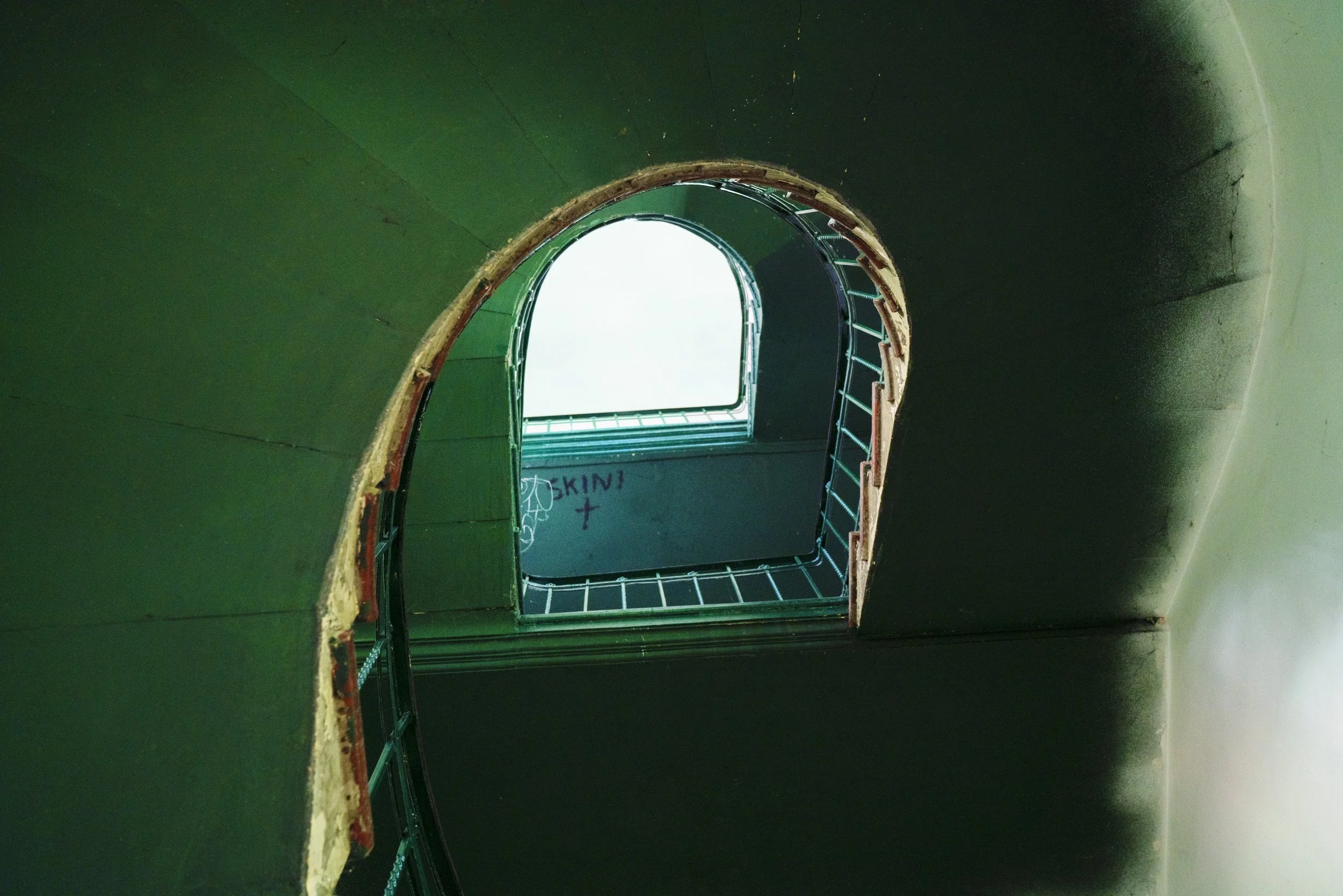
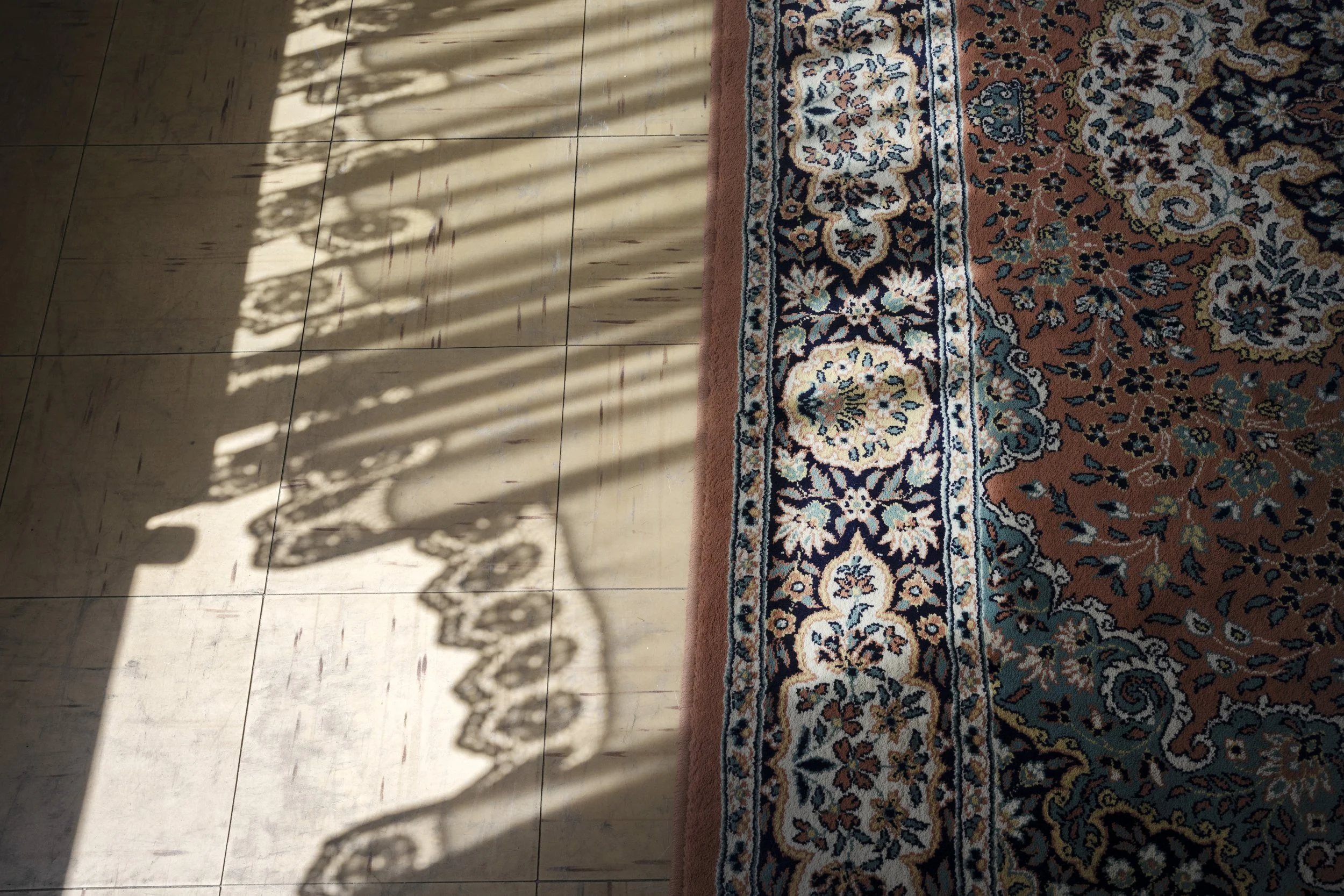
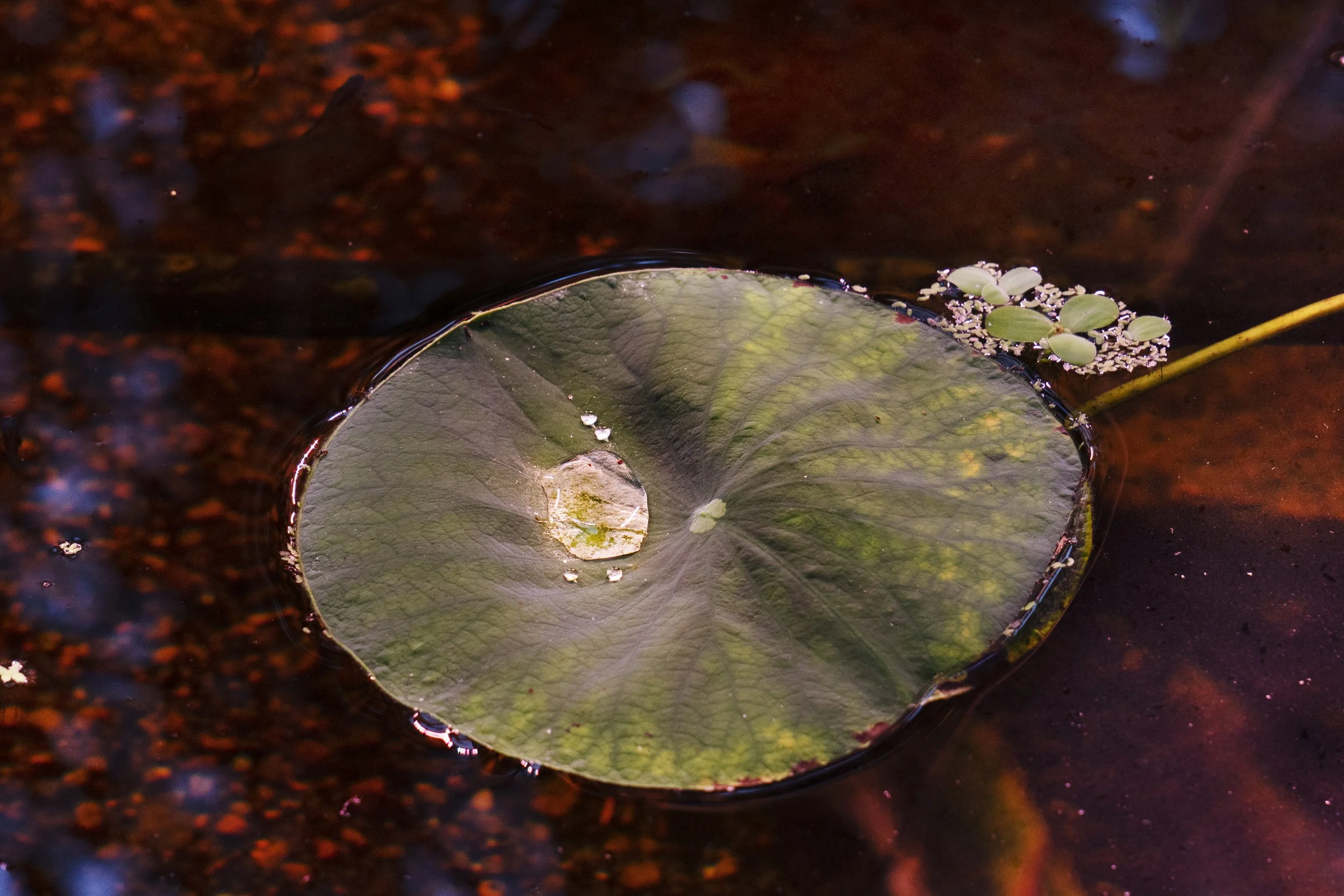
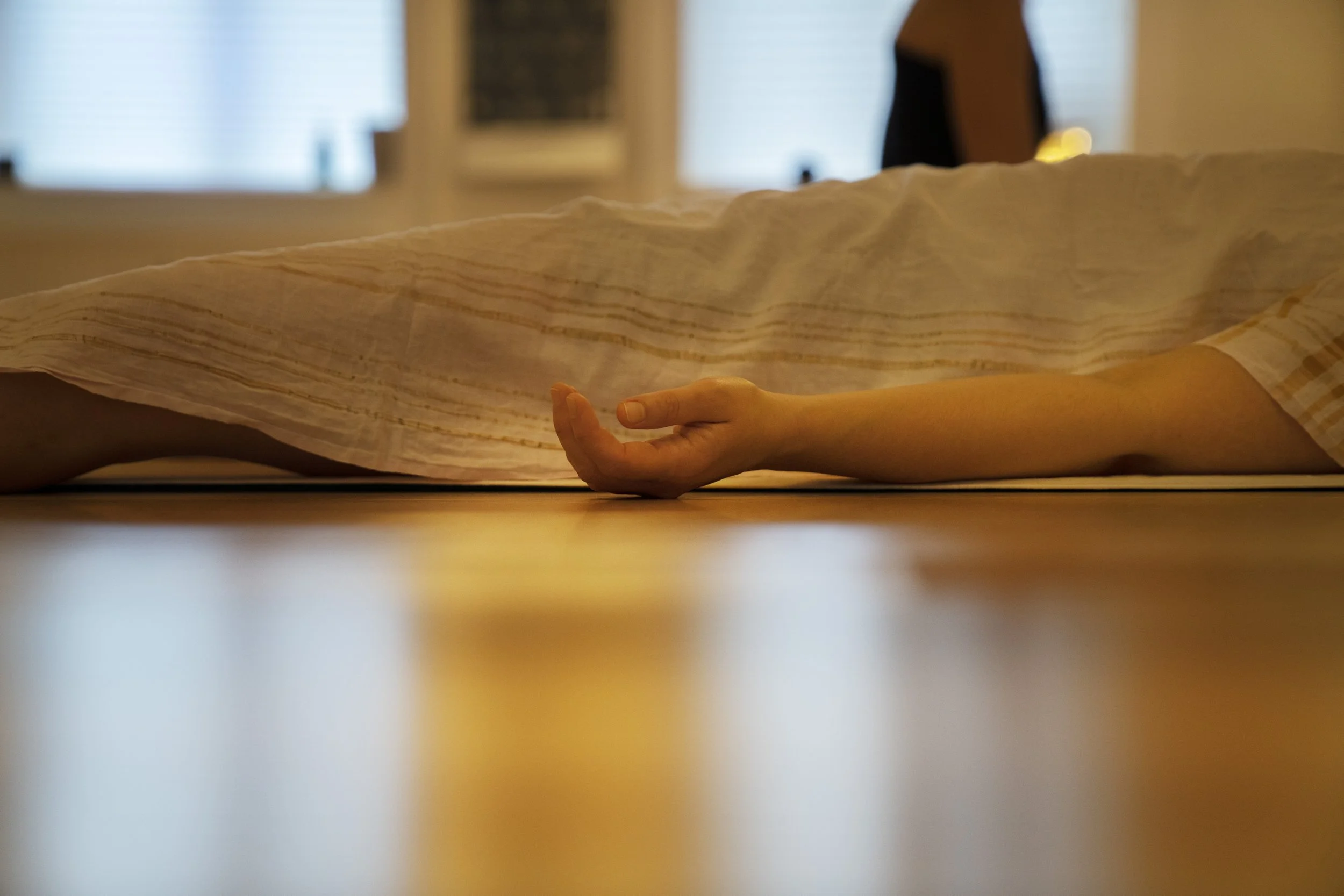
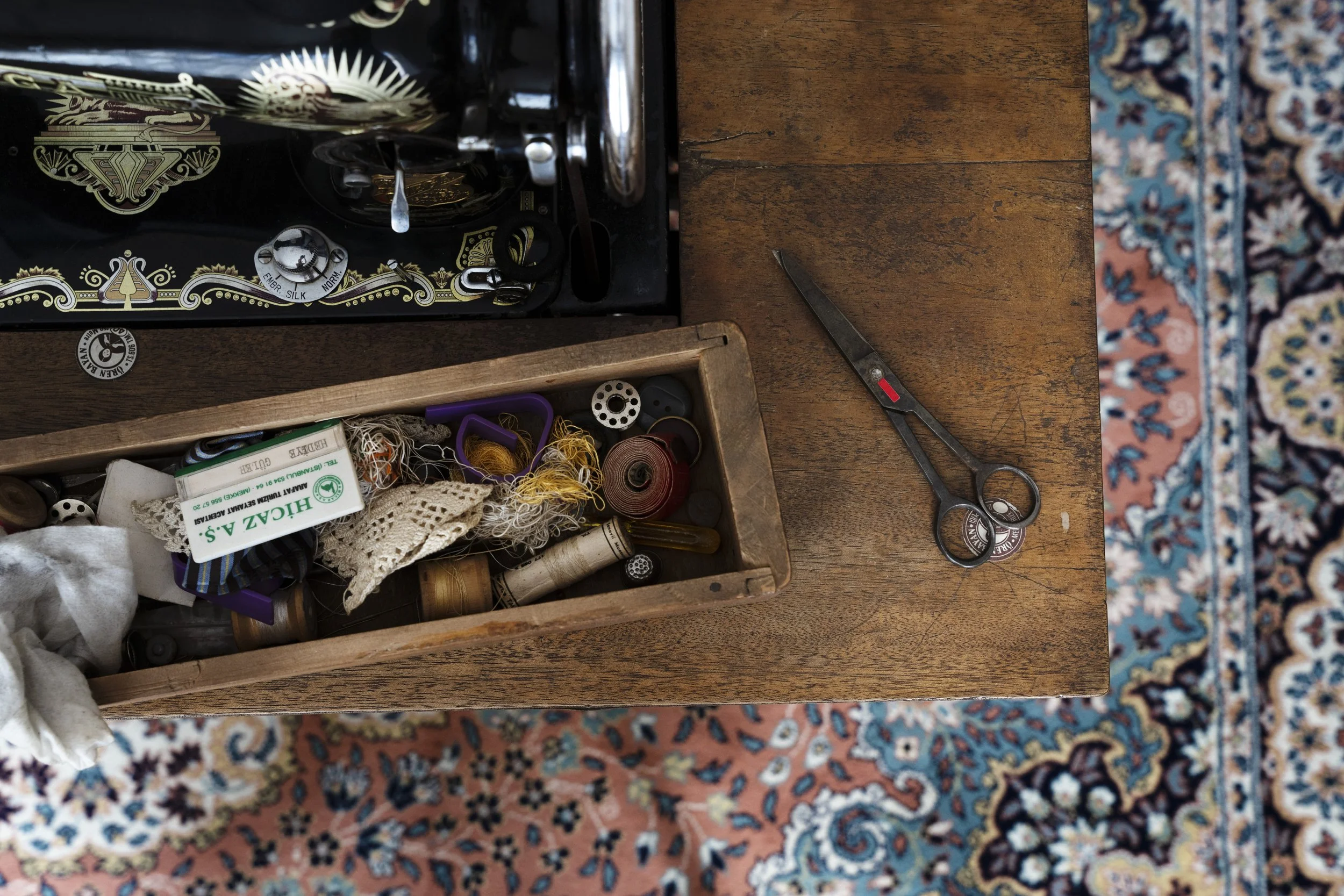
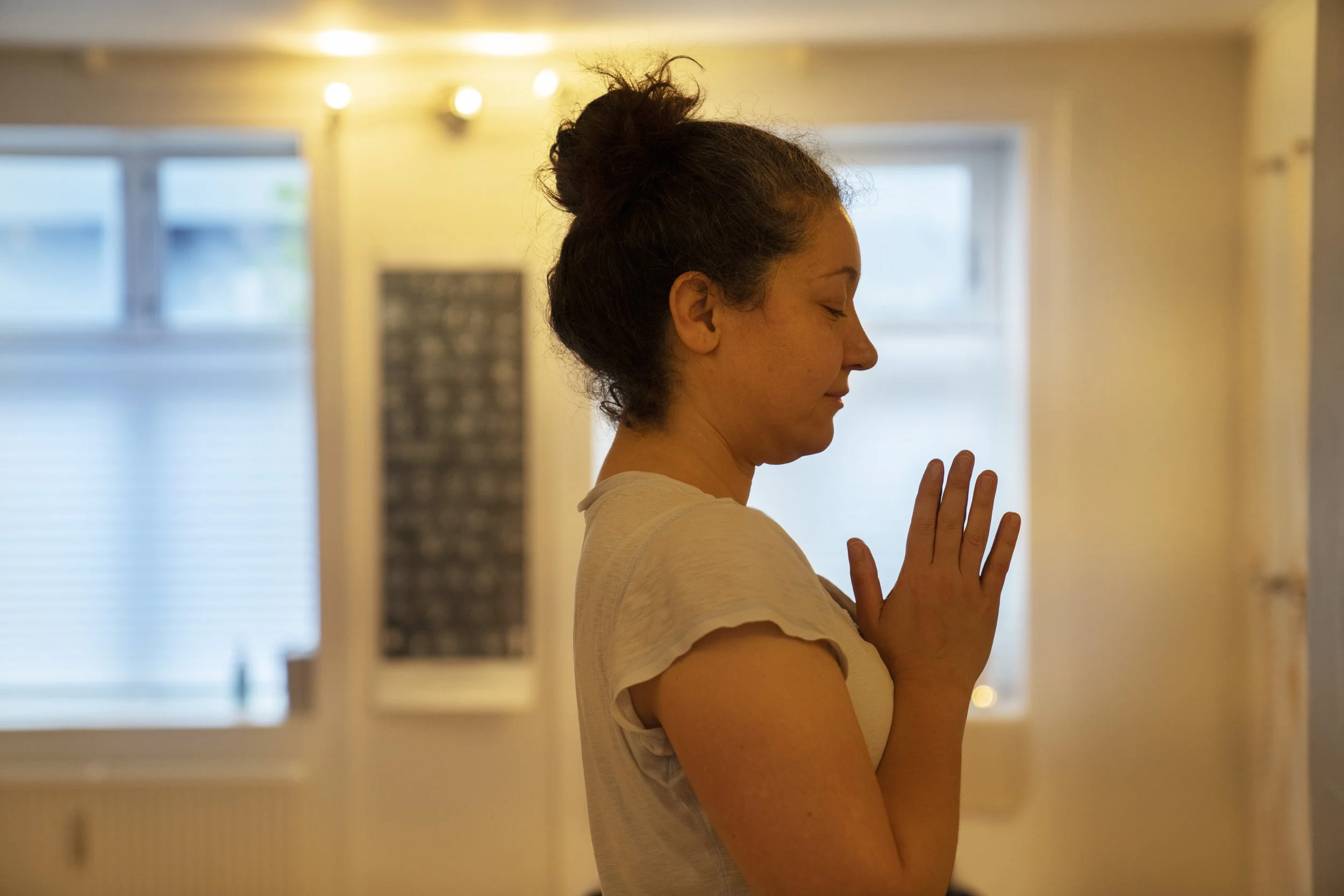
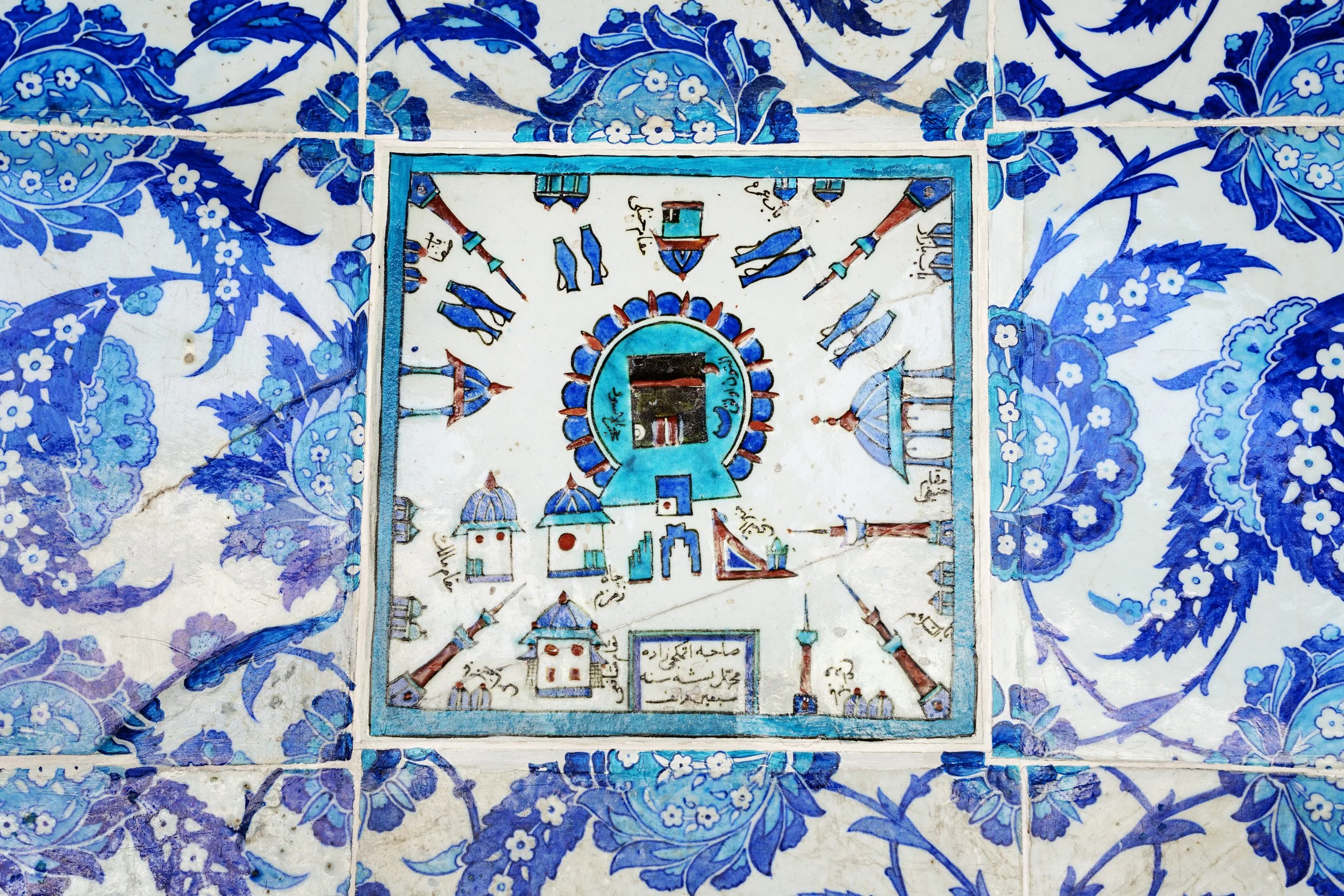
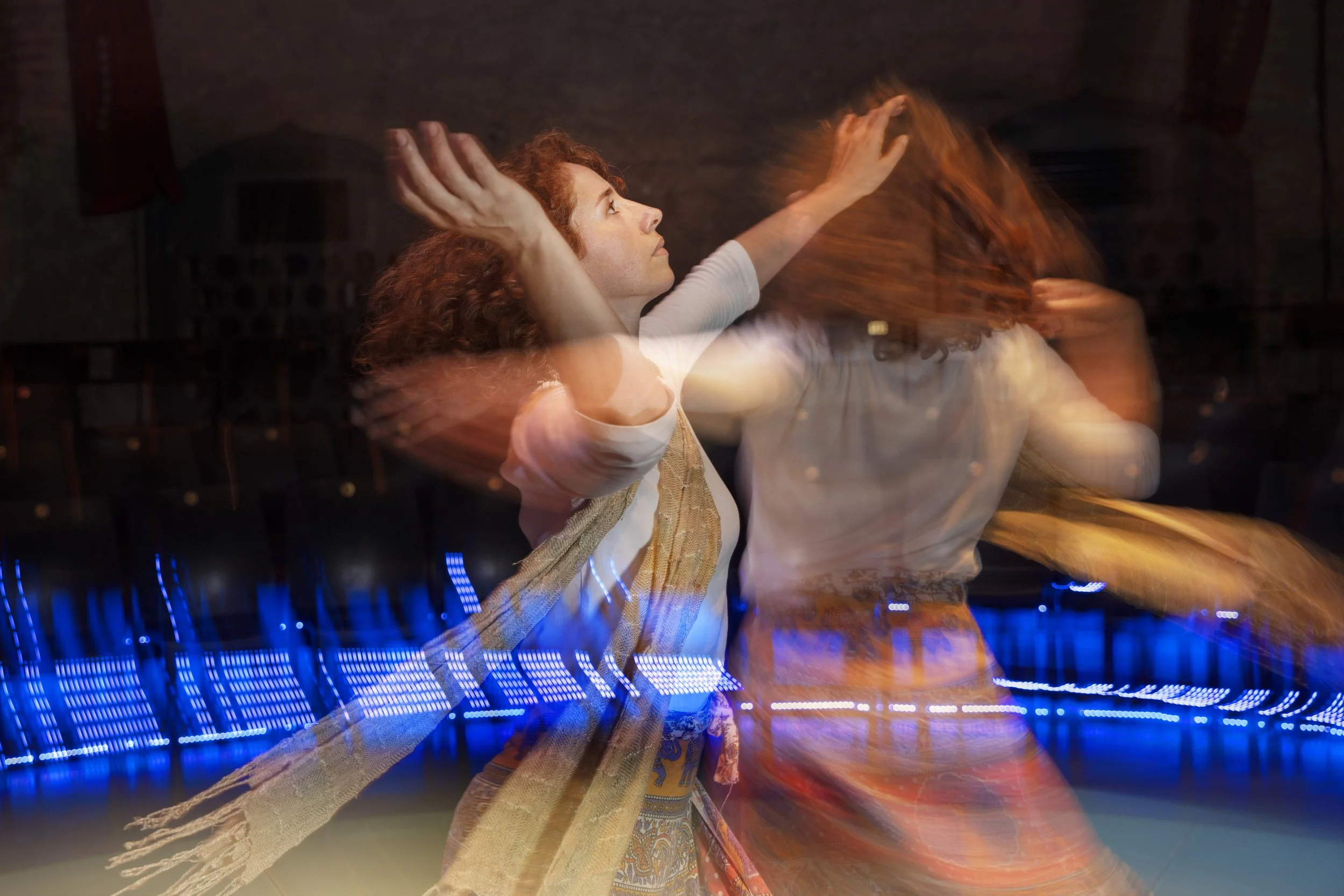
Selected frames from the film

THE PRODUCTION TEAM
-
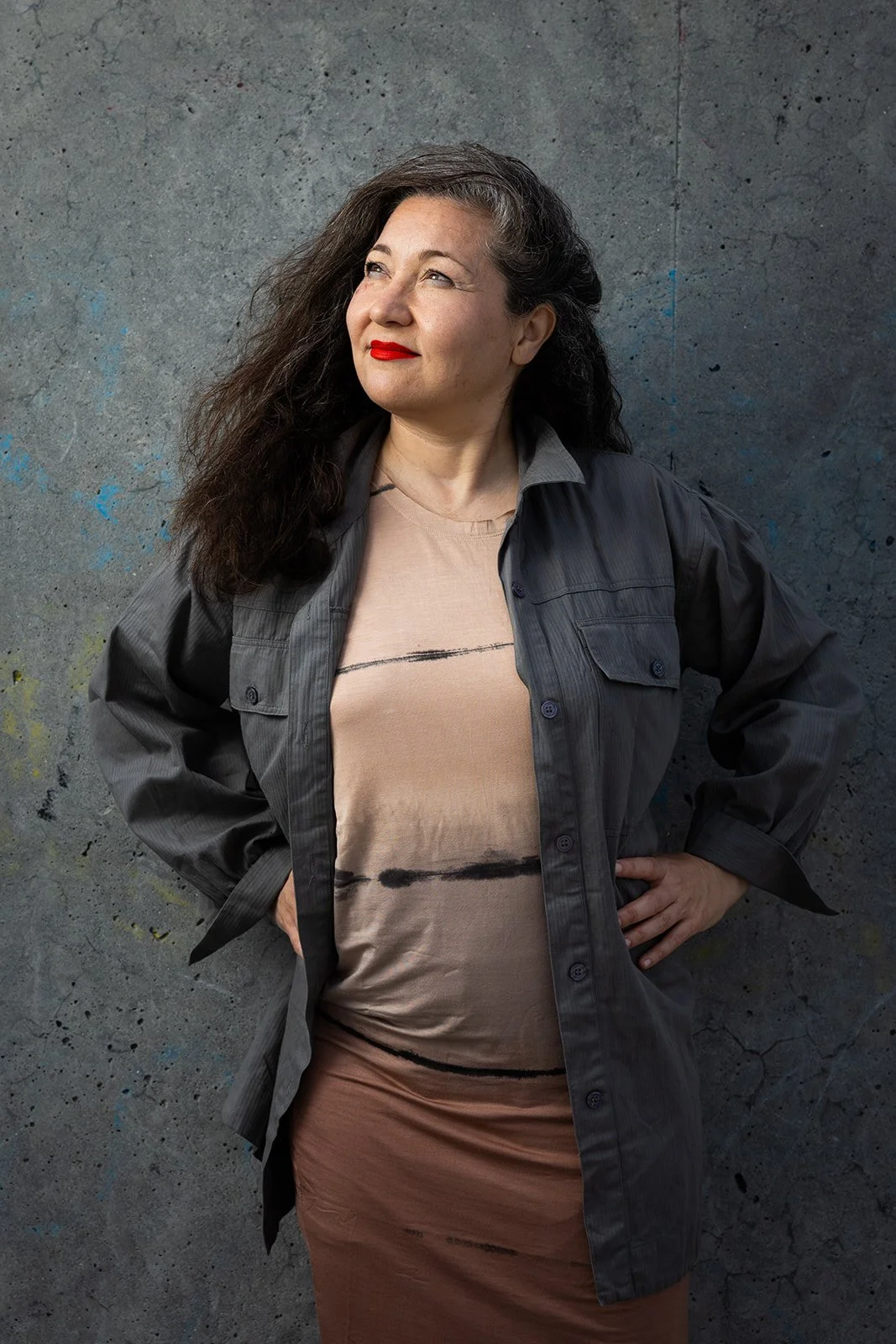
Nevin Tuna Erönde
DIRECTOR, SOUND ARTIST, WRITER & PRODUCER
-
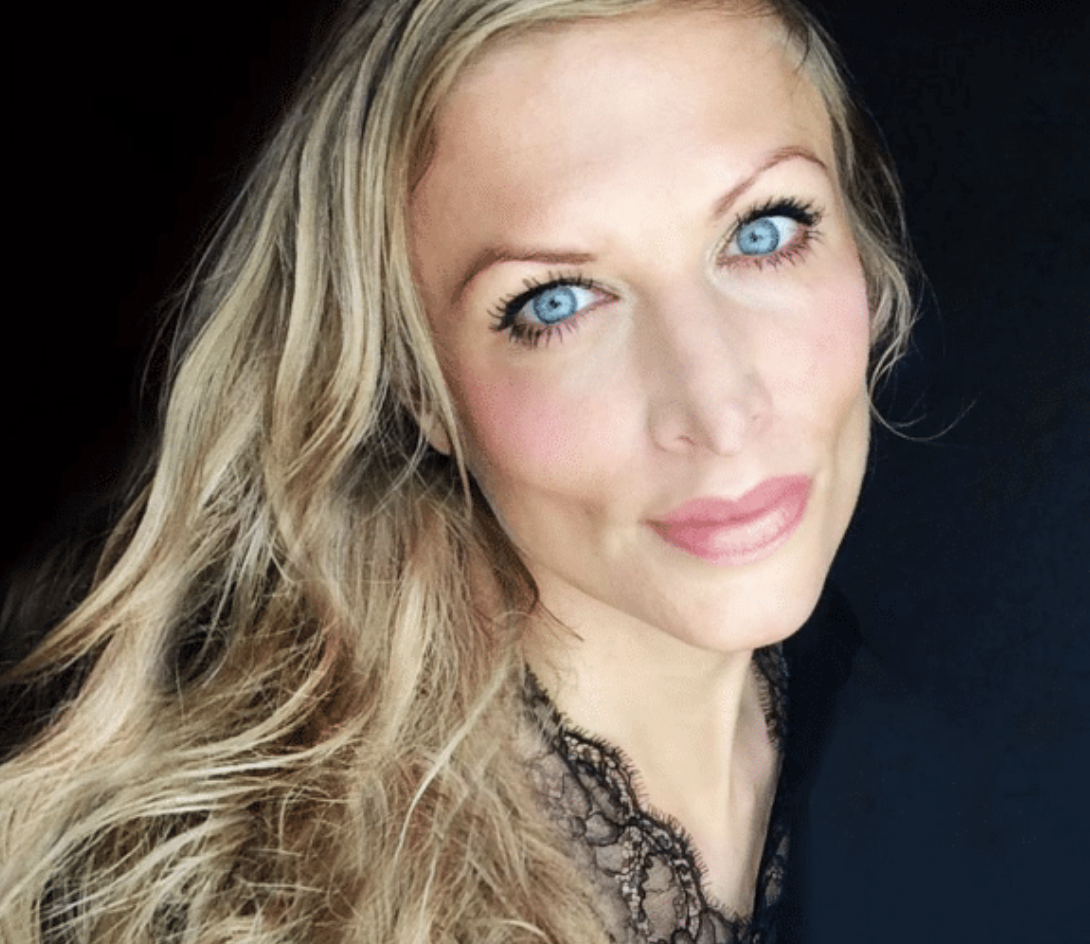
Heli Sorjonen
PHOTOGRAPHER
-
Suvi Andrea Helminen
FILM EDITOR & CONSULTANT
-
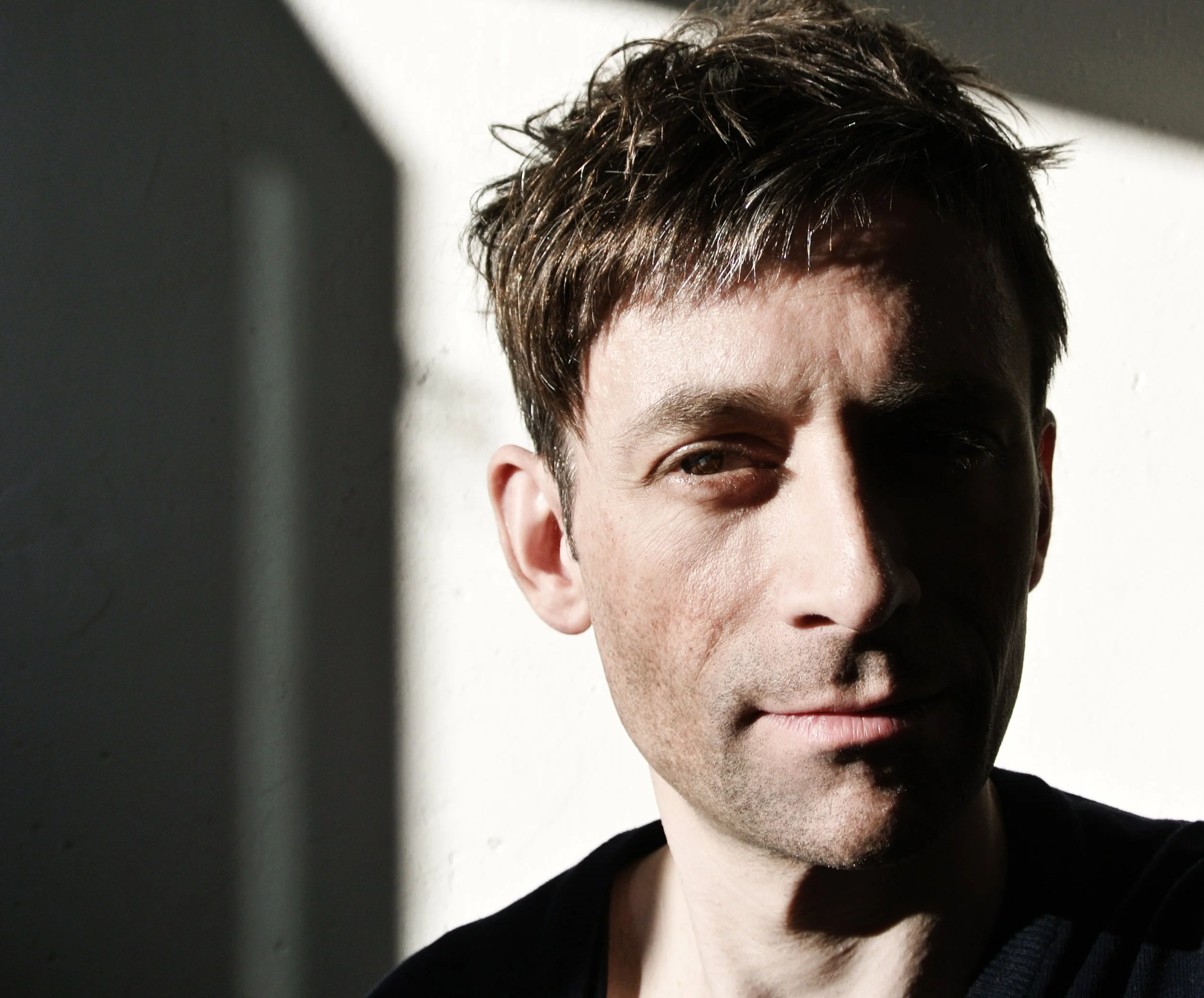
Kristian Hverring
SOUND ARTIST
-
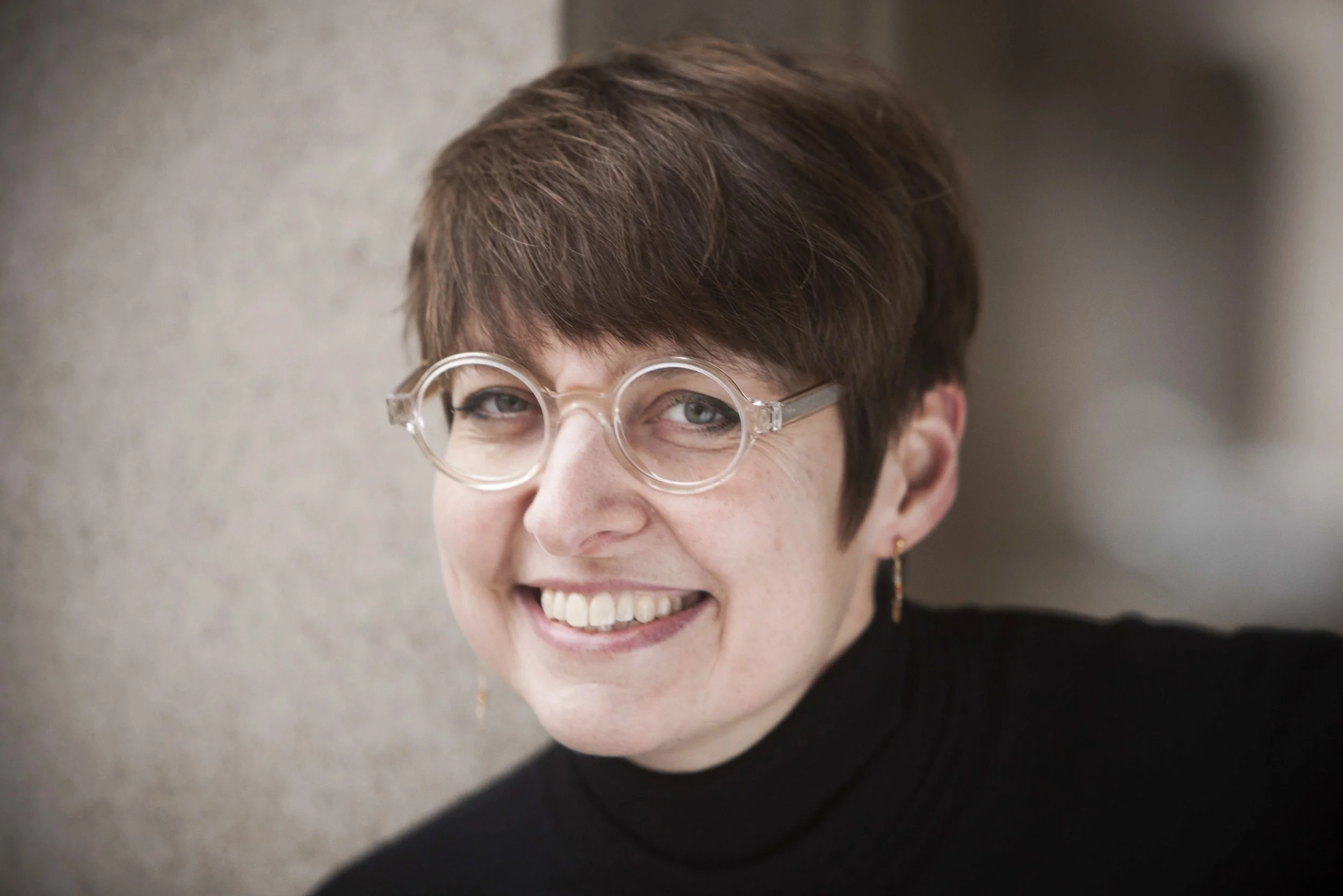
Ingeborg Okkels
SOUND ARTIST
-
Stephanie Degiorgio
GRAPHICAL ARTIST
“You have shown how to expand the limits of vulnerability. It has really inspired me.”
— Artistic Director, Inkonst
2021 - 2022
RESEARCH INTERVIEWS FOR THE ART PROJECT
Research interviews with the women that have contributed to this art work with their voices, their movements and prayer.
Actress, dancer and performer.
Interview duration: 47 mins.
Münibe Millet
Istanbul, Türkiye
Teacher.
Interview duration: 1 hour 23 mins.
Susie Dawi
Berlin, germany
Extracts from research interview with Susie Dawi.
Vocalist and composer.
Interview duration: 1 hour 54 mins.
Jessica Kenney
Washington, USA
Extract from the research interview with Jessika Kenney.
Sherin Khankhan
Copenhagen, Denmark
Author, activist, imam and psychotherapist.
Interview duration: 28 mins.
Extracts from the research interview with Sherin Khankhan
A Personal Story About This Art Piece
The idea for Female Prayers - The Sacred & The Secular came to me in Marrakech, Morocco in 2015. The streets were occupied by men. Men, men, men everywhere. As a woman traveling alone without a male guardian, you get the looks. The comments as you walk through the narrow streets.
One morning at breakfast in my riad, the manager started chatting with me. Not long into our conversation, he began asking questions about me traveling alone. If I had a husband. Why I wasn't married. That everybody should have a friend. I answered politely, but inside I was furious. My boundaries had been crossed so many times in those few minutes. I felt he was telling me I was "wrong"—that I'm only worth something as a woman when I'm with a man.
That evening, after a long, unusually hot day exploring Marrakech, I returned to my riad and sighed in relief. Here, I could find peace. No more looks or comments or awkward questions. I showered and got ready for bed. Then the evening prayers started.
My riad sat between two mosques. The prayer calls never start simultaneously—they're always shifted. Sometimes it sounds almost like a musical form: a canon, a call and response, an echo in the urban soundscape. I'd always thought the calls sounded beautiful, the human voices expressing so many emotions. And I'd always taken for granted that they were male voices.
But that day, annoyed by the patriarchal culture I'd experienced on the streets, I realized: as a woman, I couldn't even have a space of my own in my bedroom—the most private place in a house. The male voices kept seeping through my walls.
The next morning I woke to the morning prayers and wondered: How would it sound if female voices called for prayer?
The voices I could hear in my inner ear were pure and soothing. It sounded as a beautiful experience. I decided this was something the world should hear.
My family is from Istanbul, Turkey. I was born and live in Denmark. Both my parents are secular. I've always felt disconnected from my maternal grandmother in Istanbul. She seemed traditional, with heavy energy. Her life was full of hardships: six children born, two lost—one in the cradle, one to meningitis with severe disabilities. She raised five children alone while working in the fields and making sure meals were served for the rest of the household.
My grandmother used to say, "We are all Muslims." It triggered me. I didn't understand what she meant. I didn't identify as Muslim because of my secular upbringing, and I felt she was trying to convince me of her faith. I felt defensive. Today I understand she meant we're all born innocent and equal from Oneness.
Despite her hard life, Grandmother always found peace in prayer. My fondest memory of her is watching her pray. The poet John O'Donohue expresses how I felt:
One of the most tender images is the human person at prayer. When the body gathers itself before the Divine, a stillness deepens. The blaring din of distraction ceases and the deeper tranquillity within the heart envelops the body. To see someone at prayer is a touching sight. For a while, they have become unmoored from the grip of society, work, and role. It is as if they have chosen to enter into a secret belonging carried within the soul; they rest in that inner temple impervious to outer control or claiming.
Growing up secular, I never understood the peace my grandmother talked about. Her spiritual practices looked monotonous to me—the same movements, prayers, words, tone of voice. Now I practice yoga every morning: the same sequence of postures, same opening and closing chants, same intonation. I'm doing the same thing. As humans, we all need to connect to something within ourselves.
I had a hard time feeling close to my grandmother. There's the bloodline—her DNA is in me—but she seemed traditional, heavy. Yet whenever I watched her pray, her blue eyes glowed. When she occasionally looked up to see who was in the room (me, tiptoeing around), she looked so peaceful. She smiled softly. She radiated light.
In that moment, even as a child, I thought she was no longer my grandmother. No longer in her roles—the woman who suffered from depression, the mother of six, the daughter, the girl she once was. She was something else. Full of love and peace. So light. When she finished her prayer, she returned to her old self: my traditional grandmother, heavy energy, the mother, the wife.
I'm doing this art piece to reconcile with my grandmother. I know she's watching over me. I'm doing this for myself—as a woman, I want to be seen. I'm doing this for the many generations of women before me, in any life circumstances, who didn't and still don't have a voice.
When I think of my grandmother, I remember her physical appearance: petite, fragile, weak bones, wrinkly hands, her body worn by working in the fields and raising five children. Worn out, fragile, weak—these words pop into my mind.
But I'm wrong. She was strong and powerful. She had resilience. She showed up every day for her family and provided for them despite her losses, depression, and hardships. I wish I had been better at seeing her for who she was and asking: What is it like being you, Grandmother?
CO-PRODUCED BY

SUPPORT & FUNDING FROM